
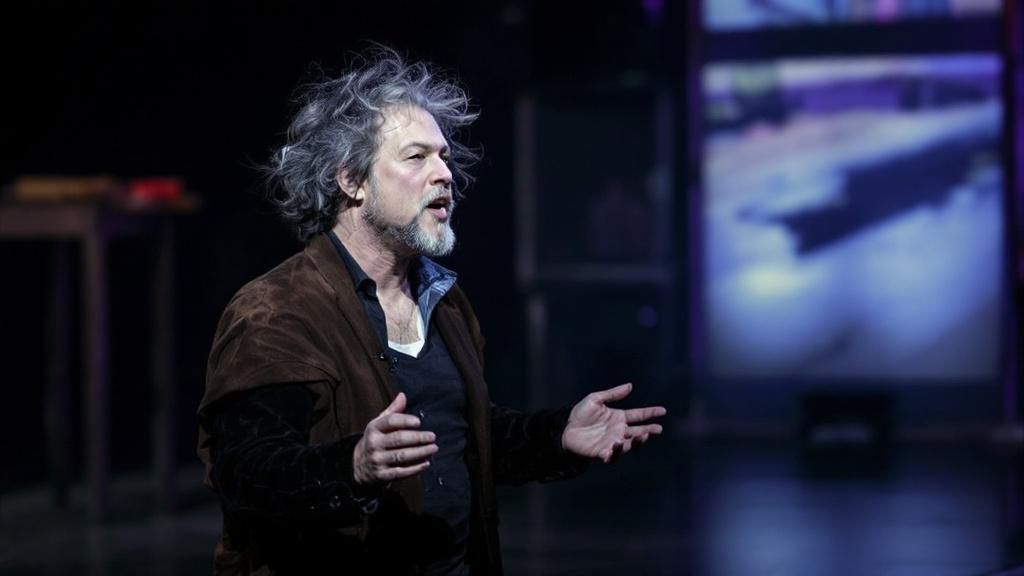
The National Theatre has introduced an extensive programme intended to democratise access to classical drama throughout the United Kingdom. This pioneering initiative seeks to bring internationally acclaimed stage productions to audiences far beyond London’s West End, guaranteeing that audiences in remote and disadvantaged regions can witness Shakespeare, Chekhov, and contemporary interpretations of classic works. Through innovative touring schemes, virtual mediums, and strategic alliances, the theatre is fundamentally reshaping how Britain relates to dramatic literature, rendering excellent productions an right rather than a privilege.
Opening Up Access to World-Class Theatre to World-Class Theatre
The National Theatre’s programme constitutes a significant transformation in how traditional theatre reaches patrons across the Britain. By overcoming geographical barriers and budgetary limitations, the scheme ensures that communities in rural areas and financially struggling communities can experience performances once exclusive to London’s premier institutions. This commitment to inclusivity embodies a fundamental belief that theatrical excellence should not be governed by zip code or financial means, but rather allocated equally among all individuals regardless of their situations.
Through collaborative alliances with regional theatre venues, educational institutions, and community arts groups, the National Theatre is creating sustainable pathways for interaction with classical works. The programme includes productions on tour, subsidised ticket schemes, and community-developed interpretations that encourage local participation and cultural investment. By fostering these collaborative relationships, the theatre evolves beyond a single London-based organisation into a distributed network of artistic quality, ensuring that the life-changing influence of drama becomes genuinely accessible to theatre-goers across the country.
Technological Innovation and Community Engagement
The National Theatre’s strategy relies on state-of-the-art technology to broaden its audience across the nation. By utilising streaming services and virtual performances, the institution provides concurrent viewing to productions for audiences unable to attend in-person. This digital framework makes culture more accessible, letting people from Cornwall to the Scottish Highlands to experience world-class performances from their local areas. The initiative also features engaging online tools, instructional content, and behind-the-scenes content, deepening the theatre experience beyond traditional stage productions and fostering deeper engagement with classical drama.
Equally noteworthy are the strategic partnerships developed between theatre venues across regions, council bodies, and community organisations across the United Kingdom. These working relationships guarantee productions connect with audiences from different backgrounds whilst strengthening local cultural resources. The National Theatre delivers grants, professional expertise, and artistic leadership to partnering organisations, building enduring cultural frameworks in regions with limited provision. By collaborating with regional bodies rather than imposing metropolitan standards, the initiative acknowledges community character whilst preserving artistic standards. This collaborative framework converts classical drama into a authentic countrywide initiative, rooting theatrical culture in local areas and establishing permanent cultural impact.
Influence and Long-Term Outlook
The initiative’s effect reaches well beyond basic attendance metrics, fundamentally transforming cultural participation nationwide. Regional theatre venues document unprecedented engagement levels, with audiences uncovering fresh appreciation for traditional theatre pieces formerly considered out of reach. Areas that traditionally lacked theatrical infrastructure now experience stage performances, educational programmes, and insider perspectives. This democratisation develops a more inclusive cultural sphere, encouraging younger generations to interact with stage drama as an integral component of their educational and social development.
Looking ahead, the National Theatre envisions ongoing growth of this innovative initiative throughout the coming decade. Targeted funding in online platforms promise to further extend reach, facilitating live streaming and direct access to archived productions. Collaborations involving academic bodies will embed traditional theatre within school curricula, fostering enduring interest for theatrical arts. The programme represents a significant milestone, setting the idea that exceptional theatrical experiences form a fundamental cultural right rather than an exclusive London-based privilege.
As this pioneering programme progresses forward, its success fundamentally relies on continuous investment, audience involvement, and collaborative partnerships. The National Theatre remains committed to measuring impact through viewer input, participation rates, and learning results, ensuring accountability and continuous improvement. This innovative scheme signals a significant change in British cultural values, establishing that traditional theatre belongs to everyone.
